
Careers and Transitions

Careers & Transitions: Navigating Change With Confidence and Direction
Career transitions are one of the most significant turning points in anyone’s professional life. Whether you’re changing roles, shifting industries, returning to work, transitioning from the military, or stepping into your first leadership position, the process can feel both exciting and overwhelming.
But career transitions aren’t just about finding a new job — they’re about rediscovering who you are, what you want, and where you are heading. With the right mindset, tools, and support, transitions become opportunities for growth rather than sources of stress.
This guide explores the nature of career transitions, why they can feel challenging, and the practical steps you can take to move forward with clarity, confidence, and purpose.
Why Career Transitions Feel So Challenging
Even positive transitions come with uncertainty. Common reasons include:
1. Fear of the unknown
Changing careers often brings new expectations, environments, and identity shifts. This uncertainty can create hesitation.
2. Loss of structure or routine
A career change disrupts familiar systems that make us feel grounded and secure.
3. Confidence dips
New roles or industries can trigger imposter syndrome, even in experienced professionals.
4. External pressures
Finances, family expectations, or social pressure can all intensify the challenge.
5. Emotional attachment
Leaving a long-term job or identity — such as leaving the military or a long-standing role — can feel like letting go of a part of yourself.
Understanding these challenges helps soften the emotional load and prepares you to transition more smoothly.
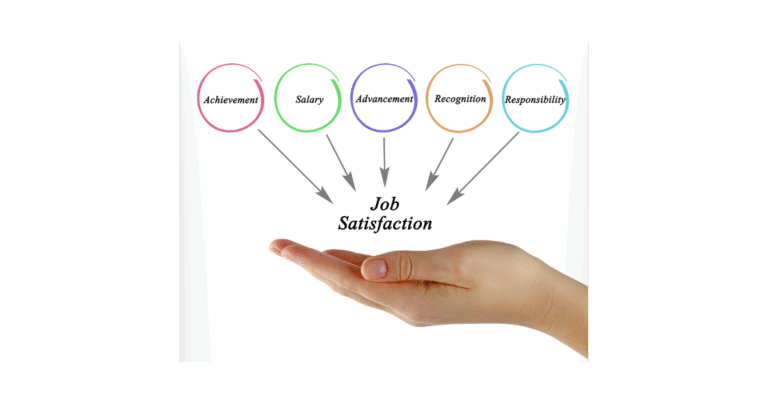
Mindset Shifts for Successful Career Transitions
Mindset is one of the biggest predictors of success during a career change. Here are key shifts that support a smoother transition:
1. See transition as growth, not disruption
Every transition expands your skills, experience, and opportunities.
2. Embrace learning over perfection
You don’t need to excel immediately — growth happens as you adapt.
3. Understand that confidence grows from action
Small steps build momentum and belief in yourself.
4. Stay open to possibility
Your next opportunity may come from places you haven’t yet considered.
5. Focus on alignment, not just employment
The best transitions lead to roles that match your strengths, values, and long-term direction.
When your mindset shifts, your decisions become clearer and more empowering.
Practical Steps for Navigating a Career Transition
Here are actionable techniques that help create a strong foundation for change:
1. Clarify your direction
Before applying for roles, reflect on:
Your strengths
Your preferred working style
Your values
The kind of environment you thrive in
Clarity reduces wasted time and boosts confidence.
2. Update your personal brand
Refresh your:
CV
LinkedIn profile
Cover letters
Portfolio or website
Ensure everything represents who you are now, not who you were years ago.
3. Build your network intentionally
Networking isn’t about collecting contacts — it’s about creating meaningful conversations and opportunities.
4. Upskill strategically
Identify skills needed for your new path and take short courses, certifications, or workshops to close any gaps.
5. Create a transition plan
Break your journey into small, weekly goals.
This reduces overwhelm and creates momentum.
6. Prioritise wellbeing
Transitions can be stressful. Make time for rest, boundaries, and support.

How Career Coaching Supports Transitions
Working with a qualified career or transition coach — especially an ICF-certified professional — can significantly accelerate your progress.
A coach can help you:
Gain clarity about your next career direction
Strengthen confidence and overcome self-doubt
Improve interview skills
Identify transferrable skills
Build a job search strategy
Navigate redundancy, change, or workplace shifts
Manage emotions during transition
Set achievable, motivating goals
Coaching provides guidance, accountability, and encouragement when you need it most.
Recommended Books for Career Change & Transition
Books can offer powerful insights and fresh perspectives as you navigate your career journey. Explore our curated selection of books for job seekers, career changers, and professionals in transition here:
👉 https://careercoachdirectory.com/self-help-books/
You’ll find books covering:
Career Change & Transition
Leadership & Legacy
Business & Entrepreneurship
Mind & Body
Life Experiences & Relationships
These resources support clarity, direction, confidence, and mindset growth during your transition.
Your Next Chapter Starts With One Step
Career transitions are not signs of failure — they’re signs of evolution. Whether you’re searching for your next role, redefining your career path, or stepping into a completely new chapter, remember this:
You don’t have to have everything figured out.
You just have to take the next step.
Change is a journey — and this is your opportunity to grow, thrive, and create a career that truly fits who you are.
Search for ICF certified Career transition Coaches to help you get back on track
Find useful videos on our YouTube channel here
